HOW TO DECORATE AT THE BEGINNING OF THE YEAR
- Studio Wallander

- Jan 1
- 4 min read
Updated: Feb 27
JANUARY. THE HONEST MONTH.

In the cold light of day
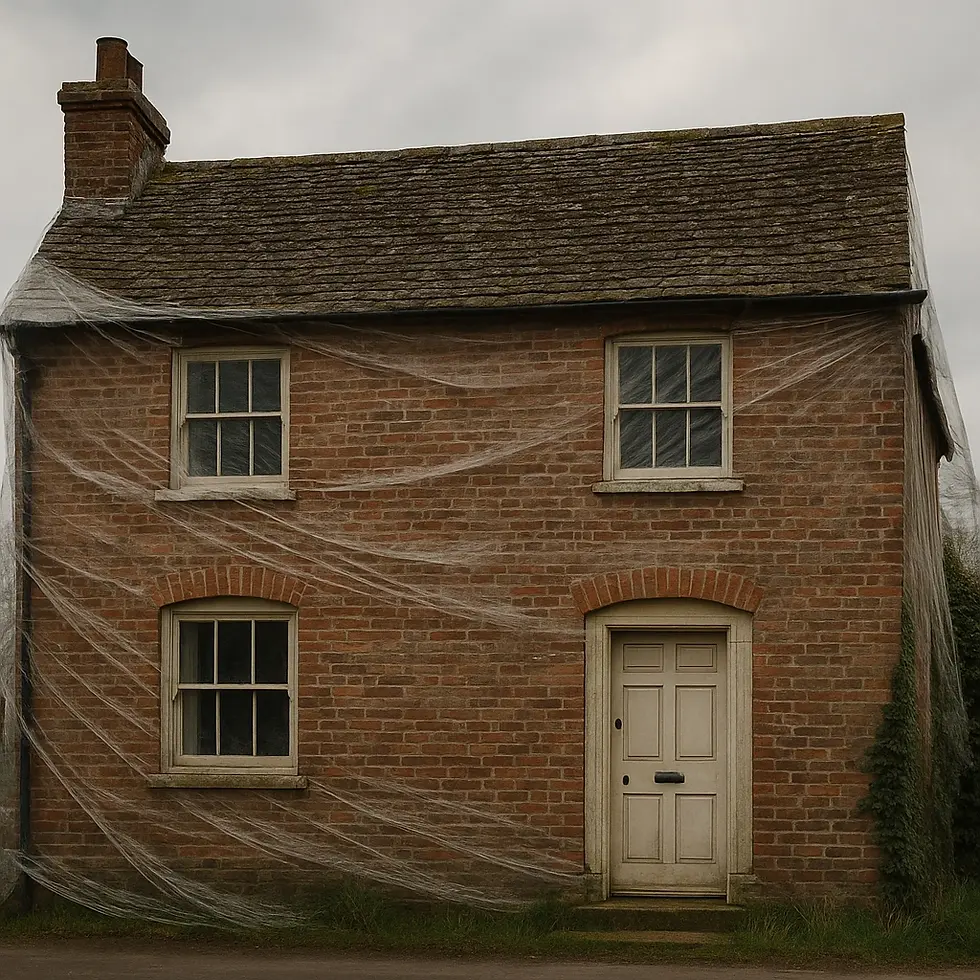
January is an honest month. The decorations are back in their boxes, the tree has either been dragged to the compost heap or folded back into the cupboard from which it escaped, and the house finally returns to its natural, de-jewelled state. No more festive colours, no more fairy lights softening the corners, no more extra cushions that mysteriously appear for the festive season, no more emergency throws hiding sins on the sofa. How do we decorate at the beginning of the year when there are no more baubles to hang?
For many people, this is the first time in weeks that they actually see their house properly. They finally have their house back. For some, the quiet is a relief. For some, it is a little empty. And for some, January comes as a bittersweet mix of promise and pressure. December has a way of hiding things behind sparkle, distraction, stress and glasses of red wine. A hallway lit with a string of lights looks charming in winter gloom; remove them, and you realise the paintwork has had a difficult year. A dining room that felt cosy by candlelight now reveals that the chairs don’t match, and the rug is smaller than you remember, and is that a patch of dried-in wax? The kitchen, once brimming with gingerbread optimism, looks tired under the clear-eyed January light.
It is at this moment that the temptation to rush returns. ‘We should sort this room out.’ ‘We need a new sofa.’ ‘Should we repaint?’ January has its own version of the Christmas panic, except instead of tinsel and casseroles, it manifests as browsing furniture websites on a Sunday evening, feeling dissatisfied but not knowing why.
This is the point where people often make the second mistake of winter: believing that improvement requires immediate action. It doesn’t. Not in January, when most people feel financially bruised from December and emotionally tired from navigating family, travel, and festivities. This is not the month for impulsive purchases or random parcels from companies we didn't research properly.
If December is noise, January is silence. When the festivities are gone, the house has room for some well-deserved rest and to reveal what is truly needed. Not what you panicked about in late November, not what Instagram insists is fashionable, nor what the neighbours have done, but what the house itself, in its bones and proportions, should have.
Still not a rush
Older houses particularly benefit from this sort of stillness. They do not warm up quickly; they do not appreciate being rearranged on a whim, and they certainly do not ask for complete reinvention without careful thought. They prefer steady decisions made with care. If December is the month when people try to make their houses perform in bright stage lights, January is the month of the behind the scenes documentary. Bare, and perhaps a little stark, lingering in the promise that New Year’s Eve gave, and New Year’s Day did not quite deliver.
Plan, think and assess
Planning is free. Thinking is free. Assessing is free. And this is the perfect time of year to do all three. Sit in each room for ten minutes at different times of day. Notice how the winter light falls on the floor. Notice where you naturally sit, and where you avoid. Notice what you trip over, what annoys you, and what delights.
January gives you the chance to see rooms as potential rather than as seasonal backdrops.
Is the furniture arranged sensibly, or did it slowly drift over the past year into a layout that no longer works? Does the room have too many small objects fighting for attention? Are the curtains doing their job, or are they strangling the last of the winter daylight? Does the hallway feel calm, or like the antechamber to a particularly stressful meeting? Can you see to read your paper? If you get the answers right to these practical questions, the aesthetic ones follow naturally.
This is also the month to look at the house as a whole, rather than a collection of rooms. In summer, houses feel airy and forgiving. In winter, you see the potential truth of rooms that are too dark, radiators that are too cold, the paint that never fully dried, the door that sticks when it rains. Sometimes these quirks are charming, occasionally they are simply annoying, and sometimes they can be harmful to the house. These clues tell you what needs attention before spring arrives and demands new priorities entirely.
The longer days will soon return, and with them new habits, new patterns of movement, and a new sense of energy. January planning pays off in April in the same way that good foundations pay off in a finished building. If you take the time now to understand what your house genuinely needs, you can save yourself from expensive mistakes later.
And yes, some people do need help with this part, because it is surprisingly difficult to diagnose your own house. You grow blind to its quirks. You stop seeing that the sofa is too large for the wall, or that the colour you once liked is now doing nothing for the room, or that the circulation simply does not work when more than two people are present.
January is a fresh start in more ways than one
January is an excellent moment to begin conversations, gather ideas, and seek clarity. Whether that means a consultation, a colour plan, a layout rethink or simply an honest assessment of what the house is actually trying to do, this is the calmest point in the year to start. No visiting relatives, no seasonal pressure.
Improving a house is not a sprint. It is an ongoing relationship, and like all relationships, the quiet times matter.
By the time spring light returns, you will know what to do, and more importantly, why. You will have a plan, and a house that feels ready for the year ahead instead of recovering from the past months with a roof-ache.
A house needs attention, intention, and the willingness to listen when the season is at its most quiet. January is that moment. Use it well.
If you want to talk things over, consider booking a Parlour Consultation.